When it comes to keeping your home’s air clean and your HVAC system running efficiently, choosing the right air filter sizes is more important than many homeowners realize. Your air filter quietly works behind the scenes, trapping dust, pollen, pet hair, and other particles before they can circulate through your home. But even the best-quality filter can’t do its job if it’s not the correct size—it needs to fit perfectly to protect your system, maintain airflow, and improve indoor air quality. In this blog, we’ll make it simple to understand everything about air filter sizes, from the difference between nominal and actual measurements to why thickness matters, so you can feel confident the next time you replace yours.
Size Affects System Performance
A Proper Fit Protects Your HVAC System
The right air filter sizes keep dust, dirt, and debris from sneaking past the filter and into your HVAC system. If the filter is too small, gaps around the edges allow particles to slip through, settling on coils, fans, and ductwork. This buildup forces your system to work harder, which can shorten its lifespan and lead to expensive repairs. A snug fit ensures that all the air passes through the filter, giving your system the best possible protection and helping it run efficiently for years to come.
Small Gaps Can Lead to Big Problems
Even a small size mismatch can make a big difference. Think of it like wearing shoes that are half a size too big—you can still walk, but you’ll feel the discomfort and eventually see the wear and tear. In HVAC terms, those “gaps” let unfiltered air bypass the filter completely, which means more allergens in your home and more grime on your system’s components. Over time, this can lead to clogged parts and reduced airflow, making your system less effective at heating or cooling your home.
Size Impacts Airflow and Comfort
The size of your air filter affects how much air can pass through it, which directly impacts your home’s comfort. A filter that’s too small or not seated properly allows air to move in ways it shouldn’t, leading to uneven temperatures in different rooms. When your system struggles to maintain consistent airflow, it works longer to reach the temperature you want, which uses more energy and can increase your utility bills.
Nominal vs. Actual Size
What is a Nominal Size?
When you look at the packaging on most air filters, you’ll see dimensions like “20x20x1.” These are called nominal sizes, and they’re rounded numbers meant to make shopping easier. The problem is, the filter itself is usually a little smaller than those measurements. Manufacturers use nominal sizing so you can quickly find a filter that fits your system without having to remember exact fractions or decimals. While convenient, it can also cause confusion for homeowners who assume those numbers match the filter’s true size.
What is an Actual Size?
The actual size is the precise measurement of the filter’s length, width, and thickness—usually smaller than the nominal size by about half an inch. For example, a filter labeled as 20x20x1 may actually measure 19.5×19.5×0.75. This difference isn’t a mistake—it’s designed so the filter can slide easily into place without getting stuck. Knowing the actual size of your filter is especially important when ordering replacements online, where you may need exact dimensions to ensure a perfect fit.
Why the Difference Matters
If you only look at the nominal size, you might end up with a filter that’s just a bit too large to fit or too small to seal properly. That’s why it’s a good idea to double-check both the nominal and actual sizes before buying. Understanding this difference can save you from frustrating returns, wasted money, and the risk of running your HVAC system without a filter while you wait for the right one. In short, being aware of nominal vs. actual measurements helps you choose the right air filter sizes every time.
Measuring Correctly
Remove and Check the Current Filter
The easiest way to figure out the right air filter sizes for your home is to start with the filter you already have. Turn off your HVAC system for safety, then carefully slide out the filter. Look for the size printed along the frame—most filters have it clearly labeled. If the numbers are hard to read or missing, you’ll need to take measurements yourself to make sure you get the right replacement.
Measure Length, Width, and Thickness
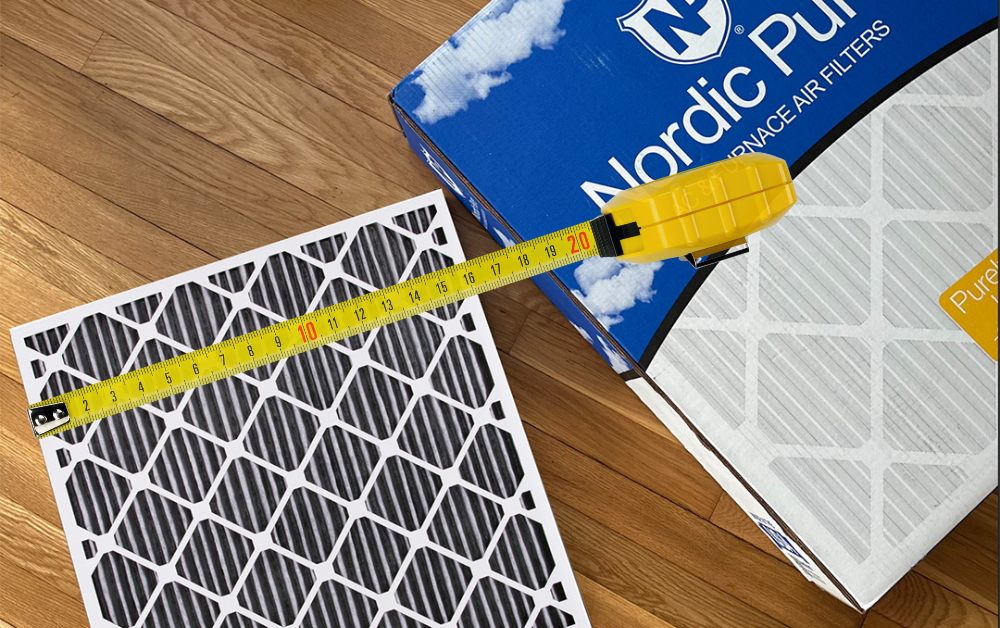
Use a tape measure to get the length (the longest side), width (the shorter side), and thickness (depth of the filter). Always measure in inches and round to the nearest fraction if needed. For example, a filter measuring 19.5″ x 19.5″ x 0.75″ would be labeled as 20x20x1 in nominal sizing. Writing down these numbers before heading to the store or ordering online can save you from buying the wrong size.
Watch Out for Custom or Odd Sizes
Not all HVAC systems use standard sizes. Older units or certain custom-built systems might require unique dimensions that aren’t available off the shelf. If your measurements don’t match any standard air filter sizes, you may need to order a custom air filter. Some suppliers can make filters to your exact measurements, ensuring a snug fit that protects your system and keeps your air clean.
Thickness Matters
Common Filter Thicknesses
Air filters come in a range of thicknesses, with 1-inch, 2-inch, 4-inch, and 5-inch being the most common. The thickness you choose isn’t just about preference—it’s often determined by what your HVAC system can handle. A thicker filter can trap more particles and last longer between changes, but if your system isn’t built for it, it won’t fit properly or could restrict airflow. Always check your system’s manual or consult your HVAC technician before switching thicknesses.
How Thickness Impacts Lifespan
Thicker filters typically last longer because they have more surface area to hold dust, pollen, and other airborne debris. While a 1-inch filter may need to be replaced every 1–3 months, a 4-inch filter might last up to 6 months or more. This can save you time and reduce how often you need to purchase replacements. However, it’s important to still check your filter regularly, as high dust levels or pet hair can shorten its lifespan regardless of thickness.
Balancing Thickness with Performance
Choosing the right thickness is about finding the balance between filtration quality and airflow. If a filter is too thick for your system, it can restrict airflow and make your HVAC unit work harder, which can lead to higher energy bills and wear on your equipment. On the other hand, the right thickness for your system can improve air quality, reduce allergens, and help your unit run more efficiently. When it comes to air filter sizes, thickness plays just as important a role as length and width.
Non-Standard Sizes
Why Some Homes Have Unique Sizes
While most HVAC systems use common air filter sizes, some homes have older units, custom-built systems, or unique ductwork that require non-standard dimensions. These filters may be just an inch or two off from the typical sizes you see at the store, making them harder to find. If your system falls into this category, it’s important to know your exact measurements so you can avoid buying something that won’t fit or won’t seal properly.
Options for Custom Filters
If you can’t find your size on the shelf or online, many suppliers offer custom-cut filters to match your specific needs. Ordering a custom filter ensures a snug fit, which is essential for proper filtration and system performance. While these may cost a bit more, they can save you from costly repairs caused by dust and debris bypassing the filter. Some companies even allow you to set up a subscription for custom sizes so you never forget to replace them on time.
Tips for Managing Non-Standard Sizes
If you have a non-standard size, it’s a good idea to order extra filters in advance so you’re never caught without a replacement. You may also want to keep a note with the exact measurements stored on your phone or written on your HVAC unit for quick reference. Being prepared ensures you won’t have to run your system without a filter—a risky move that can quickly lead to dirt buildup and poor air quality. For homeowners with unique air filter sizes, a little planning goes a long way.
Why It Matters
Protecting Your HVAC System
The right air filter sizes act as a shield for your heating and cooling system. When air passes through a properly sized filter, dust, dirt, and debris are trapped before they can settle on sensitive components like coils and motors. This not only keeps your system clean but also reduces strain on the equipment, helping it run more efficiently and last longer. Skipping the correct size may seem like a small oversight, but over time it can lead to breakdowns and expensive repairs.
Improving Indoor Air Quality
A well-fitted filter helps remove pollutants from the air, making your home healthier to breathe in. If the filter doesn’t fit correctly, those particles can bypass the filter entirely, circulating back into your living spaces. This can aggravate allergies, asthma, and other respiratory issues, especially in homes with children, elderly family members, or pets. Choosing the right size ensures your filter is doing its full job of capturing dust, pollen, and other irritants.
Boosting Comfort and Efficiency
When your system has the right filter size, airflow remains steady and balanced, keeping temperatures even from room to room. This means your HVAC unit doesn’t have to work overtime to heat or cool your home, which can lower your energy bills. It’s a win-win—you enjoy better comfort while saving money. In short, proper air filter sizes protect your health, your comfort, and your wallet.
Conclusion
Choosing the right air filter sizes might feel like a small detail, but it has a big impact on your home’s comfort, air quality, and HVAC system health. From understanding nominal versus actual measurements to knowing how thickness and fit affect performance, a little knowledge goes a long way in making sure your filter does its job. By taking a few minutes to measure correctly, double-check your size, and replace your filter on schedule, you can protect your system, breathe cleaner air, and even save money on energy bills. The next time it’s time for a replacement, you’ll know exactly what to look for—and your home will thank you for it.