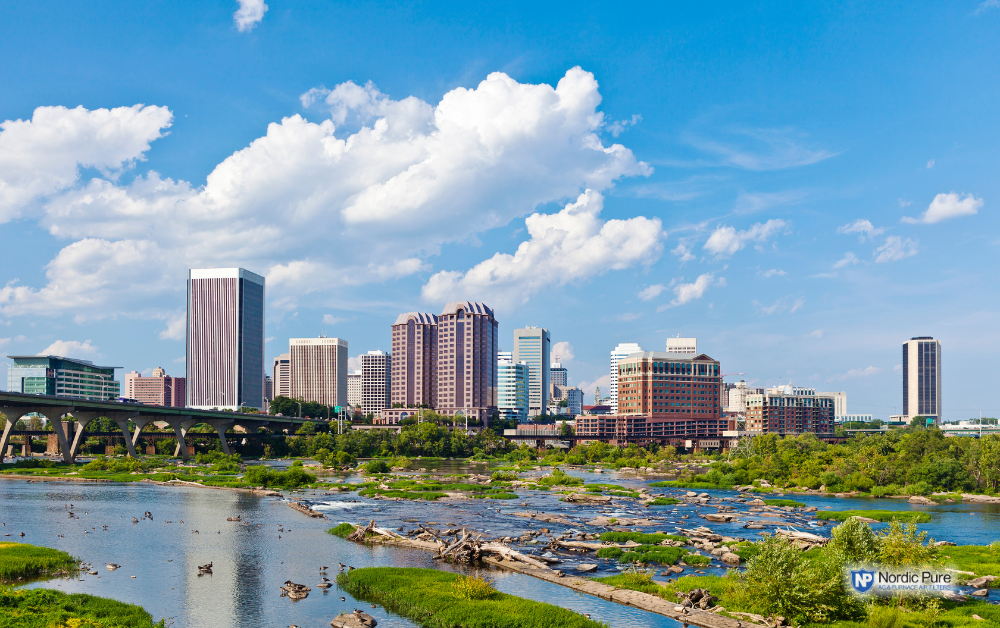
When you think of Virginia, you might picture historic towns, coastal views, and rolling countryside. But some areas also face challenges with bad air, driven by a mix of industrial activity, heavy traffic, and certain weather patterns. Knowing where and why bad air occurs in Virginia helps people protect their health while still enjoying the state’s attractions. In this blog, we’ll highlight the Virginia cities most affected by bad air, explore the factors behind it, and offer tips for reducing your exposure.
Why Some Virginia Cities Struggle with Bad Air Quality
Virginia faces a variety of environmental and industrial challenges that contribute to bad air in certain locations. While much of the state enjoys healthy air for most of the year, specific regions—especially those near busy highways, ports, and industrial hubs—see more frequent pollution events.
Common contributors to bad air in Virginia include:
- Industrial emissions: Manufacturing facilities, chemical plants, and shipyards release pollutants like sulfur dioxide and particulate matter that can worsen bad air.
- Vehicle traffic: Major interstate corridors and urban congestion add nitrogen oxides and other compounds that help form ground-level ozone, a key factor in bad air.
- Port operations: Marine diesel engines from ships and cargo handling equipment release fine particles that contribute to bad air in coastal areas.
- Geography & weather patterns: Valleys, coastal plains, and periods of stagnant air can trap pollutants close to the ground, intensifying bad air conditions.
While statewide initiatives have improved air quality overall, these localized factors mean some Virginia cities continue to face recurring bad air episodes—especially during hot, humid summer months when ozone formation is highest.
Cities in Virginia Most Impacted by Bad Air
Hopewell: Small Town, Big Pollution Problem
Hopewell may be modest in size, but it regularly experiences some of the worst Bad Air in Virginia.
AQI (recent): 72
PM2.5: 12.8 µg/m³
Industrial facilities, chemical manufacturing plants, and nearby power generation all contribute to elevated PM2.5 levels. While these readings generally fall in the “Moderate” range, they still pose concerns for sensitive groups—especially during hot, stagnant days. Hopewell’s location along the James River means river traffic and industrial zones compound the Bad Air problem, making it important for residents to monitor daily AQI alerts.
Petersburg: Industrial Legacy with Lingering Effects
Petersburg’s industrial history continues to shape its current air quality challenges.
AQI (recent): 68
PM2.5: 11.9 µg/m³
Manufacturing emissions, rail traffic, and proximity to major trucking routes all contribute to particulate matter in the air. While these levels are considered “Moderate,” they can still affect people with asthma, COPD, or other respiratory conditions. Public health agencies recommend limiting prolonged outdoor activity on days when Bad Air levels rise.
Richmond: Capital City, Consistent Concerns
As Virginia’s capital, Richmond experiences Bad Air episodes driven by both urban and environmental factors.
AQI (recent): 82
PM2.5: 13.5 µg/m³
Heavy commuter traffic, summer ozone spikes, and industrial zones along the riverfront keep air quality in the “Moderate” range for much of the year. On hotter days, ozone formation increases, posing added risks for sensitive groups. City residents are encouraged to plan outdoor activities in the mornings or on cooler days to reduce exposure during peak Bad Air periods.
Portsmouth: Industrial Edges and Elevated Exposure
Portsmouth’s coastal location and industrial base make it a Bad Air hotspot in southeastern Virginia.
AQI (recent): 88
PM2.5: 14.1 µg/m³
Shipyards, port operations, and surrounding industrial facilities contribute to elevated PM2.5 levels. Marine diesel emissions are a significant factor, and weather patterns can trap pollutants near the surface. Air quality here often reaches the upper “Moderate” range, meaning sensitive groups should take precautions during outdoor activities.
Data Snapshot: Real-Time Air Quality in Virginia
Tracking current conditions is one of the best ways to understand where Bad Air is affecting Virginia residents the most. Real-time monitoring from the Virginia Department of Environmental Quality and the EPA’s AirNow system provides up-to-date Air Quality Index (AQI) readings for cities across the state.
Below is an example of how cities compare in terms of daily air quality:

These snapshots show that Bad Air events can vary not just by location, but also by the type of pollutant causing the problem. Knowing the primary pollutant can help residents take targeted steps—like running an air purifier indoors when PM2.5 is high, or avoiding strenuous outdoor activity when ozone levels spike.
What Causes Bad Air Quality in These Locations
Bad Air in Virginia’s most affected cities often comes from a mix of human activity, industrial processes, and environmental conditions. Understanding the main contributors can help communities target solutions.
Particulate Matter (PM2.5): Fine particles from manufacturing plants, diesel engines, and even wood-burning stoves are a leading cause of Bad Air. These particles are small enough to enter the lungs and bloodstream, increasing the risk of respiratory and cardiovascular problems.
Ground-Level Ozone: Formed when sunlight reacts with nitrogen oxides and volatile organic compounds from vehicles and industry, ozone is a frequent summertime problem. Cities like Richmond often see ozone spikes on hot, sunny days with little wind.
Industrial and Port Emissions: Areas like Portsmouth and Hopewell are heavily influenced by nearby industrial activity and shipping operations. Emissions from shipyards, marine diesel engines, and chemical processing plants can elevate pollutant levels.
Geography and Weather Patterns: Valleys and coastal plains can trap pollutants near the ground, especially during temperature inversions or periods of stagnant air. This means Bad Air lingers longer in some locations, reducing opportunities for natural dispersion.
Health Impacts of Bad Air Quality
Bad Air doesn’t just affect the environment—it directly impacts the health of people living in Virginia’s most affected cities. The risks range from short-term discomfort to long-term chronic conditions, with certain groups being more vulnerable than others.
Short-Term Effects
Even brief exposure to Bad Air can trigger coughing, throat irritation, headaches, and shortness of breath. People with asthma or allergies may notice symptoms worsening during high-AQI days, especially when particulate matter or ozone levels are elevated.
Long-Term Effects
Continued exposure to particulate matter and ozone increases the risk of heart disease, lung cancer, and chronic respiratory illnesses. Children exposed to Bad Air over time may develop reduced lung function that can persist into adulthood, affecting overall health for years to come.
High-Risk Groups
Older adults, children, and those with preexisting respiratory or heart conditions face the greatest danger from Bad Air. In these groups, even “Moderate” AQI levels can lead to noticeable health problems, making proactive precautions essential.
Public health experts recommend monitoring daily air quality reports, staying indoors during peak pollution hours, and using high-quality air filters to reduce indoor exposure.
Improving Air Quality: Local & Personal Actions
Addressing Bad Air in Virginia requires both community-level initiatives and individual efforts. While statewide regulations have helped reduce emissions over the past decades, local projects and personal habits can make a noticeable difference in everyday air quality.
Local and Government Actions
- Stricter emissions standards: Enforcing limits on industrial and vehicle emissions to reduce pollutants like PM2.5 and nitrogen oxides.
- Urban tree planting: Expanding green spaces to absorb pollutants and improve airflow in city environments.
- Public transit investment: Encouraging residents to use buses, light rail, or carpooling to cut down on traffic-related emissions.
- Port and industrial upgrades: Implementing cleaner technologies at shipping terminals and manufacturing sites to reduce harmful emissions.
Personal Actions
- Use high-efficiency air filters: Keep indoor air cleaner by replacing HVAC filters regularly and using HEPA purifiers.
- Adjust outdoor activity: Plan exercise and outdoor chores for times when AQI is in the “Good” range.
- Limit vehicle use: Combine errands, bike, or walk when possible to reduce personal contribution to Bad Air.
- Stay informed: Check local AQI forecasts daily to avoid exposure during peak pollution times.
By combining these local and personal actions, Virginia communities can take meaningful steps toward reducing Bad Air and protecting public health.
How to Stay Informed About Bad Air Quality
Keeping track of when Bad Air is likely to occur is key to protecting your health and planning your daily activities. Fortunately, there are reliable tools and resources available for Virginia residents.
Online and Mobile Tools
- AirNow.gov: Provides real-time AQI readings and forecasts for cities across Virginia.
- Virginia Department of Environmental Quality (DEQ): Offers state-specific monitoring data and seasonal air quality reports.
- AQI Mobile Apps: Apps like AirVisual, BreezoMeter, and Plume Labs’ Air Report send alerts when Bad Air conditions are expected.
Understanding AQI Categories
- Good (0–50): Air quality poses little or no risk.
- Moderate (51–100): Acceptable for most, but some sensitive groups may experience minor effects.
- Unhealthy for Sensitive Groups (101–150): Sensitive groups should limit outdoor activity.
- Unhealthy (151+): Everyone should reduce or avoid prolonged outdoor exposure.
Staying Ahead of Bad Air Events
Sign up for local alerts or push notifications through your preferred AQI app. Check conditions before outdoor exercise, and be aware of seasonal patterns—like summer ozone peaks or late summer wildfire smoke—that can quickly worsen air quality in Virginia.
Conclusion: Fighting Back Against Bad Air Quality in the Commonwealth
While Virginia offers a mix of historic charm, coastal beauty, and vibrant cities, some areas still face ongoing challenges with Bad Air. Industrial activity, transportation emissions, and geography all play a role in creating localized pollution hotspots. The good news is that targeted community initiatives, stronger regulations, and personal actions can make a measurable difference.
By staying informed, making small daily choices to reduce emissions, and supporting local clean air efforts, residents can help improve conditions for everyone. Even in areas where Bad Air persists, proactive steps—like monitoring AQI, using indoor air filtration, and adjusting outdoor activities—can significantly reduce personal exposure.
Virginia’s future air quality depends on both policy and participation. Working together, communities can make the Commonwealth a healthier place to breathe for generations to come.