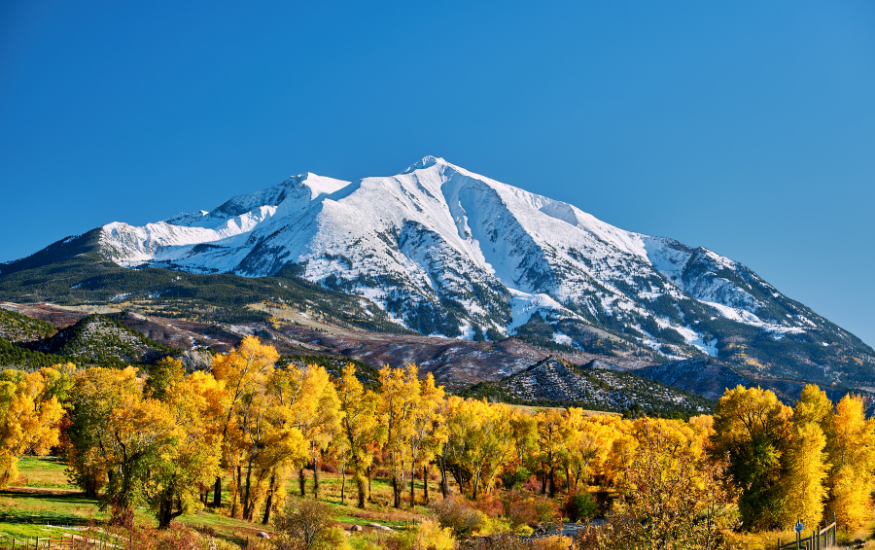
Whether you’re planning to move, raise a family, or simply enjoy cleaner air, choosing a location with consistently fresh and healthy air can make a big difference in your quality of life. Colorado is known for its breathtaking landscapes—from alpine ski towns to open valleys—and some areas offer far better air quality than others. In this guide, we’ll highlight Colorado cities where clean air is the norm, explain why they rank so well, and share tips for keeping your indoor air quality just as fresh as the outdoors.
How We Chose These Cities
To find Colorado’s cities with the best air quality, we looked at a range of indicators that together give a complete picture of local air conditions:
- Annual average Air Quality Index (AQI): The AQI measures how clean or polluted the air is on a scale from 0 to 500. Lower scores (0–50) indicate good air quality with minimal health risks.
- PM2.5 (fine particulate matter) concentrations: These tiny particles come from sources like vehicle exhaust, wildfires, and wood burning. Elevated PM2.5 levels are linked to health issues such as asthma and heart disease.
- Ozone levels: Sunlight and emissions from cars and industry can create ground-level ozone, a pollutant that irritates lungs and worsens respiratory conditions.
- Number of days in the “Good” AQI category: A higher number of “Good” days means cleaner air year-round.
We also factored in Colorado’s geography, wildfire risks, and local initiatives like clean transit and sustainable growth.
Top Cities in Colorado with the Best Air Quality
Steamboat Springs
Steamboat Springs combines mountain charm with consistently excellent air quality. Surrounded by forest and high elevation, steady winds prevent pollution buildup. Minimal industrial activity means fewer sources of pollutants that could affect the community. Winter inversions are mild compared to larger Front Range cities, keeping the air clearer throughout colder months. Residents enjoy skiing, biking, and hiking without the concern of poor air quality.
Average AQI: Around 22 (Good)
PM2.5 levels: Approximately 5 µg/m³
Steamboat Springs is an ideal place for families, retirees, and outdoor enthusiasts who value both healthy living and year-round recreation.
Durango
Durango, located in southwest Colorado, offers cultural vibrancy and natural beauty alongside clean air. With a smaller population and lower traffic, pollutants are not as concentrated as in larger metro areas. Open landscapes and favorable winds disperse contaminants, keeping conditions healthy most of the year. During wildfire season, air quality may dip, but conditions typically rebound quickly.
Average AQI: Around 30 (Good)
PM2.5 levels: Approximately 6 µg/m³
Durango appeals to outdoor adventurers and families who want to breathe fresh mountain air while enjoying hiking, rafting, and exploring the San Juan Mountains.
Alamosa
Alamosa, in the San Luis Valley, enjoys some of the clearest skies and lowest pollution levels in Colorado. Its remote location means less industrial activity and fewer emissions sources. The wide valley disperses air quickly, minimizing the buildup of particulates and ozone. Seasonal shifts are mild, and wildfire smoke is less frequent compared to other areas.
Average AQI: Around 28 (Good)
PM2.5 levels: Approximately 5.5 µg/m³
Alamosa’s small-town charm, open spaces, and healthy air make it an attractive place for residents seeking both peace and wellness.

Colorado Cities with Variable Air Quality
Boulder
Boulder enjoys mountain views and a strong outdoor culture, but seasonal ozone spikes can affect conditions. Wildfire smoke in the summer months can also temporarily reduce air quality. While residents benefit from many clean-air days, monitoring conditions during hot or smoky periods is important.
Average AQI: Around 40 (Good with some Moderate days)
PM2.5 levels: Approximately 8 µg/m³
Boulder remains a highly desirable city thanks to its active lifestyle, sustainability efforts, and consistent access to outdoor activities.
Colorado Springs
Colorado Springs has grown rapidly, bringing more cars and related emissions. Fortunately, the city’s elevation and regular winds help disperse pollutants. Wildfire season can push levels higher, but the city stays in the “Good” category most of the year.
Average AQI: Around 42 (Good)
PM2.5 levels: Approximately 9 µg/m³
Colorado Springs offers residents access to Pikes Peak and Garden of the Gods, blending urban growth with natural beauty despite some seasonal variability in air quality.
Fort Collins
Fort Collins is a lively city with strong community initiatives but faces air challenges due to its proximity to Denver and oil & gas activity. Ozone levels often rise in summer, and PM2.5 spikes during wildfire season. Residents frequently monitor AQI to decide when to enjoy outdoor activities.
Average AQI: Around 45 (Moderate during peak months)
PM2.5 levels: Approximately 10 µg/m³
Despite fluctuations, Fort Collins maintains high quality of life with parks, trails, and sustainable planning.

Honorable Mentions
Salida
Salida is a mountain town that enjoys generally clean winter air and clear skies. Its location in the Arkansas River Valley minimizes pollution buildup. While wood-burning stoves can affect winter particulates, awareness and modern appliances help reduce impacts.
Average AQI: Low 30s (Good)
PM2.5 levels: ~6–7 µg/m³
Salida is perfect for those seeking a quiet community with fresh air and year-round outdoor opportunities.
Glenwood Springs
Glenwood Springs maintains healthy air, aided by mountain winds along the Colorado River corridor. Winter inversions can trap smoke briefly, but overall conditions remain strong for outdoor recreation. Tourism traffic may create short-term impacts, but they dissipate quickly.
Average AQI: Mid 30s (Good)
PM2.5 levels: ~7–8 µg/m³
With hot springs, mountain trails, and reliable air quality, Glenwood Springs balances recreation with healthy living.
Telluride
Telluride’s high elevation and limited traffic contribute to some of the cleanest air in the state. The town’s walkability and event transit reduce emissions even further. Wildfire smoke can cause temporary haze, but mountain winds often clear conditions quickly.
Average AQI: High 20s to Low 30s (Good)
PM2.5 levels: ~5–6 µg/m³
Telluride offers residents and visitors crisp alpine air and world-class scenery, making it an exceptional place for outdoor enthusiasts.

Conclusion
Colorado’s geography means air quality can vary widely. Mountain towns like Steamboat Springs, Durango, and Alamosa consistently enjoy some of the cleanest air in the state, while Front Range communities like Boulder, Colorado Springs, and Fort Collins see more variability due to ozone, wildfire smoke, and urban growth.
No matter where you live, understanding your city’s air quality can help you make healthier choices. From scheduling outdoor activities on the cleanest days to improving your indoor air with high-quality filters like Nordic Pure Air Filters, small steps can make a big difference in your comfort and well-being.
For those seeking the freshest environments, Colorado offers many cities where clean air is the norm and the outdoors can be enjoyed with confidence year-round.